This piece by Peter Murphy was first published in Stillpoint Magazine, June 2026.
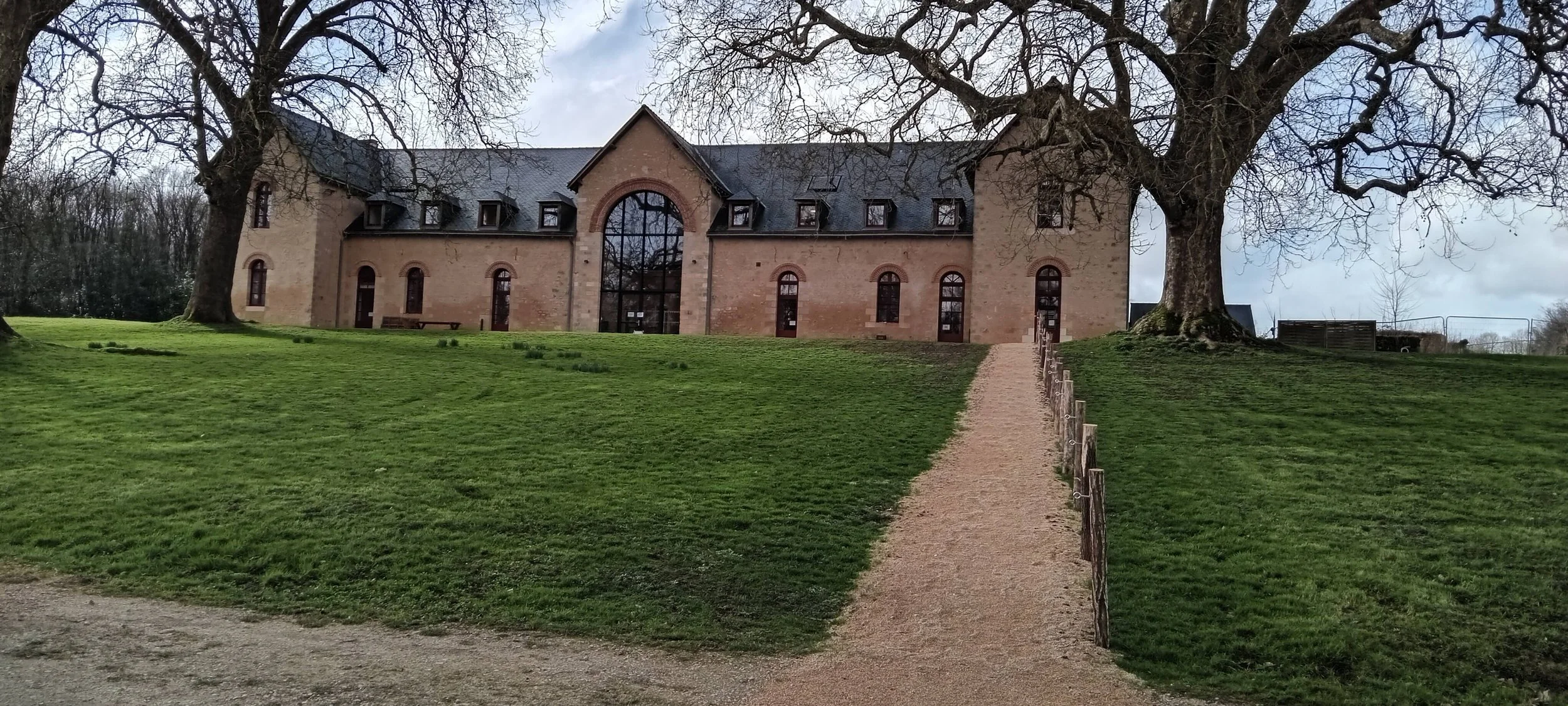
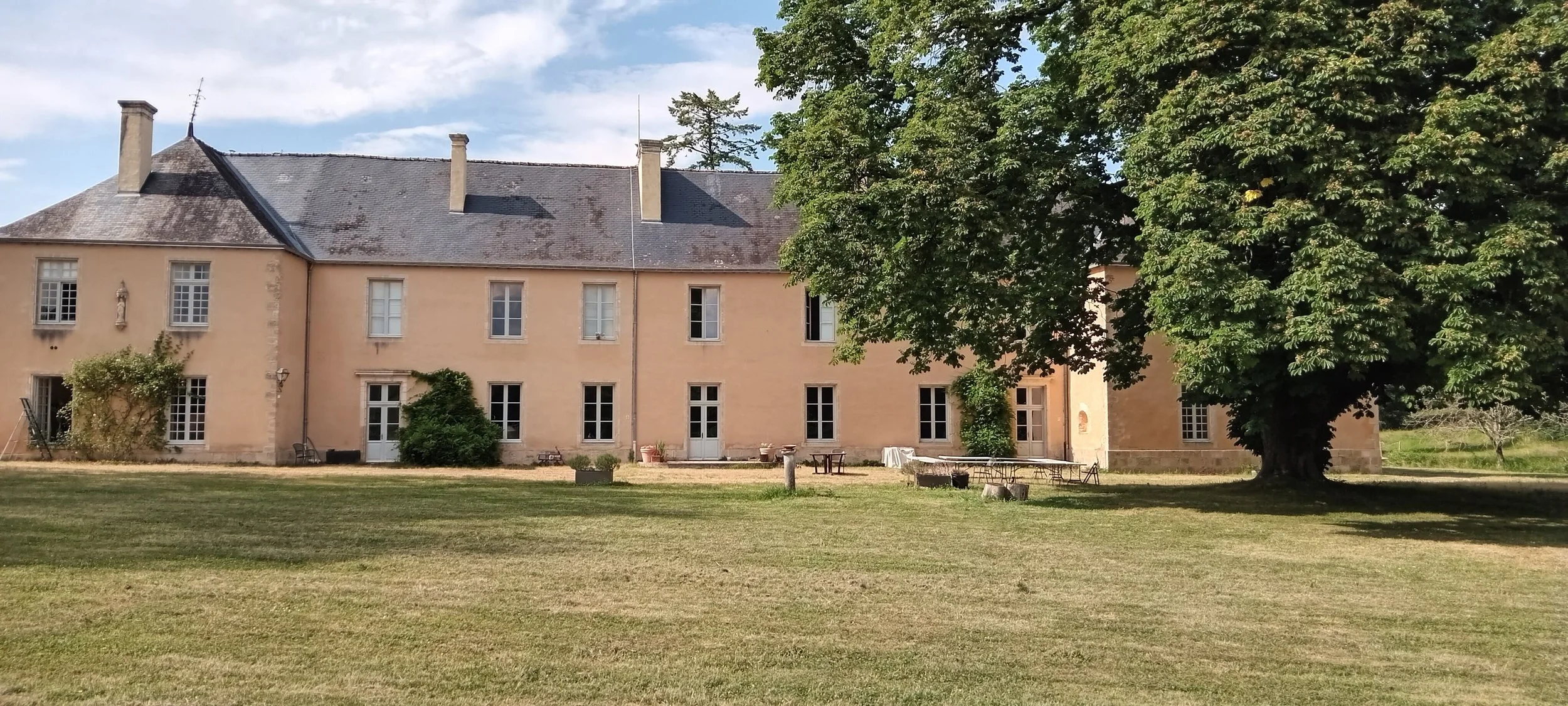
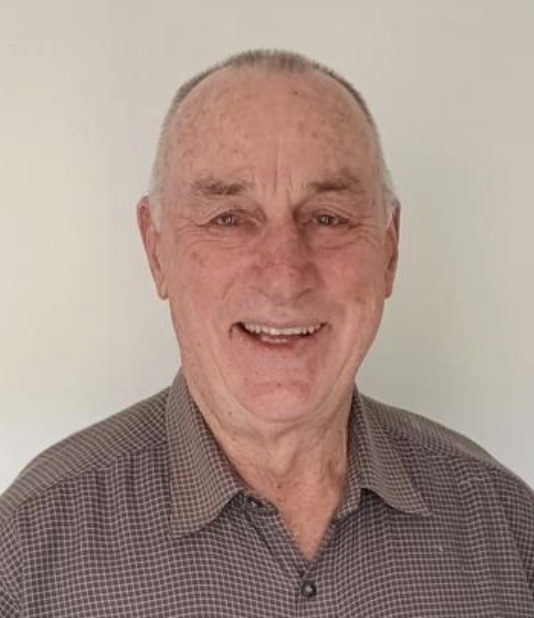
Father Peter Murphy is a retired Catholic priest from Auckland and a former national coordinator of NZCCM. He is currently coordinator of the residential community in Bonnevaux, France.
What is it that draws us to Christian meditation?
What touched me at a recent retreat here at Bonnevaux was the diversity of the backgrounds of the participants. A few had been members of WCCM for many years. One had even known John Main then she followed another path and has only just returned to Christian meditation and at the same time returning a book that he had lent her.
Many had left behind their former church association and found meditation in other traditions primarily Buddhism. One told us that when he was contemplating becoming Buddhist, his teacher would not hear of it, instead commanding him to be a better Christian.
Some had been meditating on their own for some time. One was from a Protestant evangelical background. We even had two volunteers from New Zealand both from evangelical backgrounds. The point of convergence was the yearning for a deeper silence.
As a community we have done reasonably well with introducing people to meditation. That itself is a big undertaking. Most struggle to begin and need the help of a group or a spiritual mentor to create a regular discipline. Others are so hungry that once they start they don’t look back.
The community has developed different ways to assist in the understanding of the practice such as the Essential Teaching Workshop, and more recently the teacher-leader programme and the Academy. However, the foundation remains the practice of meditation itself. It is so easy to become side-tracked into developing the study side to the detriment of the practice.
Most of the retreats at Bonnevaux are strictly silent for the morning; after lunch there is a more relaxed silence and the evening meal is spent in conversation. The most serious retreat is the Deep Silent Retreat, formerly called the School Retreat. This lasts for seven days with eight 30-minute meditation periods. There is a Eucharist or liturgy each day plus a short teaching. In between meditation periods there is contemplative walking for approximately fifteen minutes. There is a brief teaching each day and also a brief consultation with one of the retreat leaders. This is not spiritual direction but simply accompaniment.
In the middle there is a desert day when retreatants are invited to be on their own in silence for the whole day. They can either go out on their own or stay in the centre and meditate at the usual times. There are no accompanying prayers or readings at the meditation times, and on the desert day there is no Eucharist/liturgy or personal consultation.
The key feature to the Deep Silent Retreat is the silence. Silence is the language of God.
While study is a key feature of learning about the tradition and understanding the spiritual journey, there is always the danger of turning it into a head trip, a feature of so many spirituality courses in the past and even now. There is a real power in the silence and this should not be compromised. Nevertheless, it is a staged process for people to cope with such deep silence.
The mystical experience goes beyond language.
The longer I have been meditating the more I have come to respect and value the teaching of John Main. He always emphasised that one’s experience is the real teacher and that one is always beginning.
There is always danger in evaluating and judging one’s progress. The obvious signs of progress are the fruits that come from regular meditation. But it remains a humbling exercise for one is always surrounded by thoughts or fantasies. These keep one’s feet on the ground. Hence value the silence. Do not be afraid of it. To grow we all need to enter into it more deeply.