
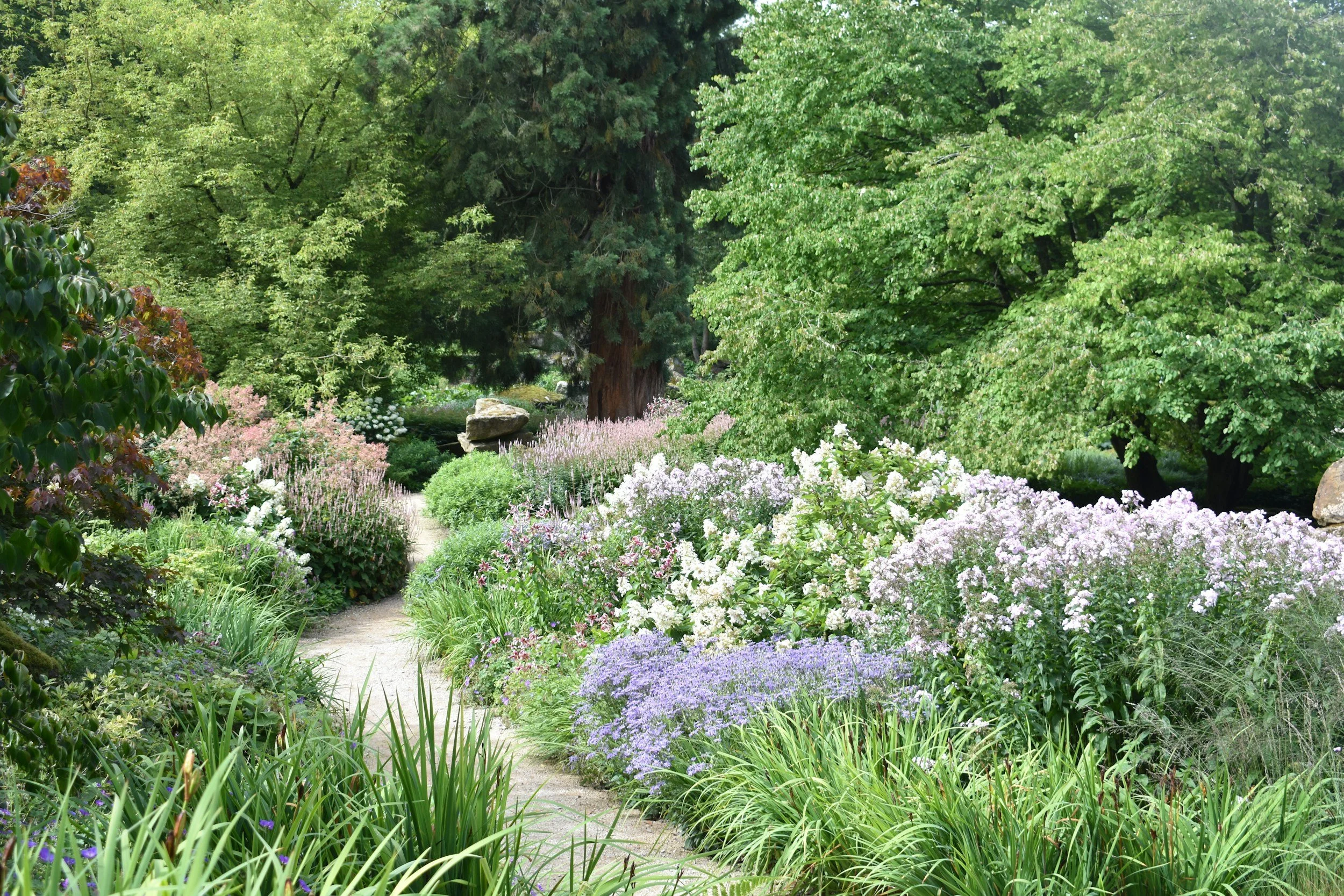
San Juan de la Cruz by Antonio de Paz, via Wikimedia Commons, licensed under CC BY-SA 4.0.
A conversation with Phillip Saunders
Phillip Saunders, a Camaldolese oblate in Aotearoa New Zealand and a member of NZCCM, has been assisting preparations for the NZCCM National Retreat in January 2027. The retreat will lead by Fr. Cyprian Consiglio OSB Cam, a renowned Camaldolese monk and musician currently based in Rome. In this conversation, Phillip shares his journey into meditation practice and his own experiences of creativity and the Camaldolese tradition.
Phillip, how did your path to meditation begin?
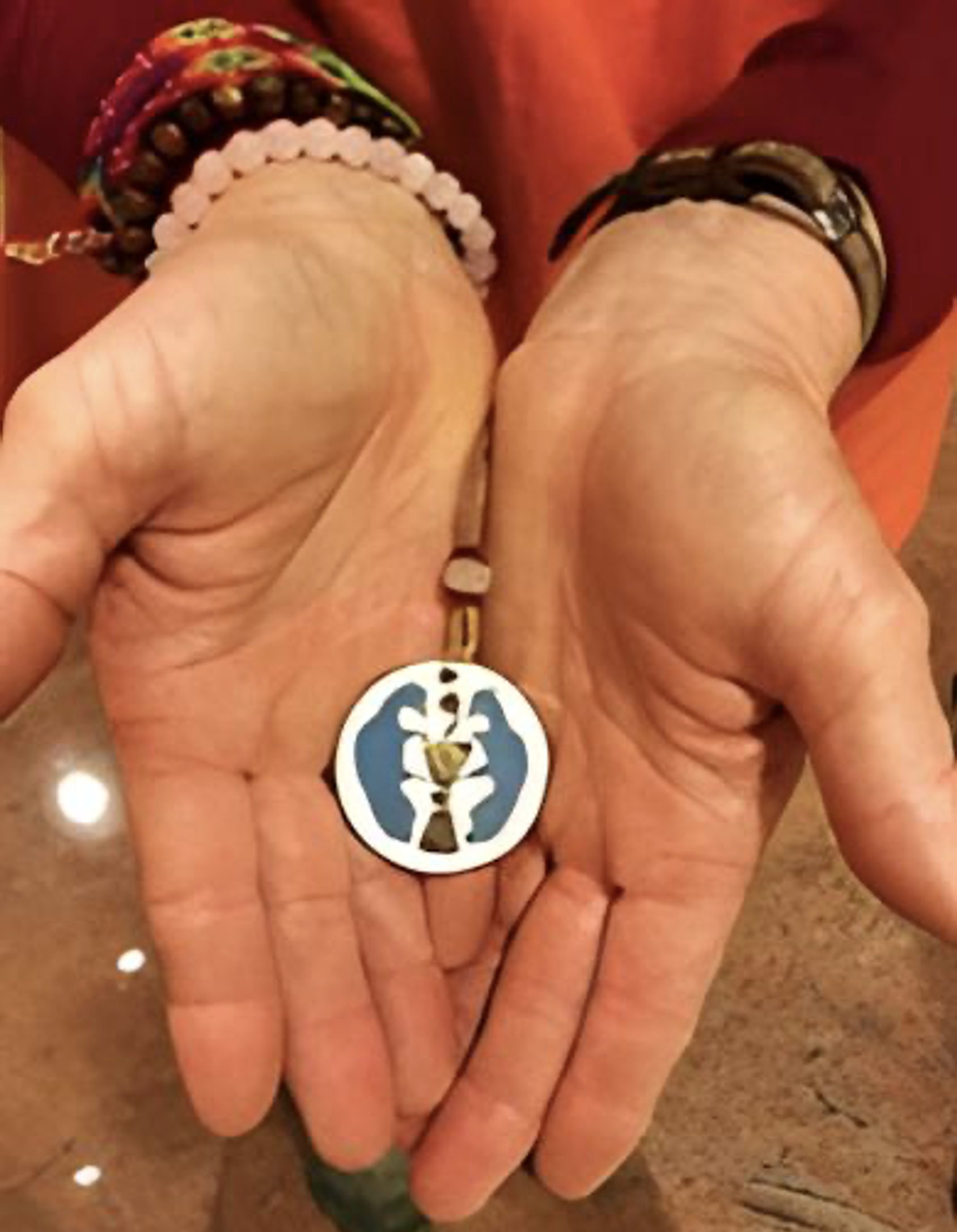
Image from the Camaldolese Oblate Rule Booklet.
A friend's mental health nurse gave him Dr. Herbert Benson's The Relaxation Response. Though a medical book, the Harvard cardiologist couldn't help bringing in the spiritual, the two are so intertwined. After reading it, I began meditating irregularly, alongside my music practice.
Later, visiting a church near Melbourne, a visiting priest spoke of contemplative practices, Zen Buddhism, and the contemplative thread running through the main faith traditions. It felt like a great opening.
A couple of weeks after returning home, still full of that experience, I was at a friend's eightieth birthday party. Our friend's daughter asked, “Have you heard of John Main?” I hadn’t. Looking him up led me to Christian Meditation and into community with an NZCCM meditation group facilitated by Michael Dougherty in Whangārei.
What inspired you to become a Camaldolese oblate?
These turning-point moments all seem to happen through relationship for me – the right conversation at the right time opens a new door. I discovered the Camaldolese monastic order through Michael Doughtery. His story of visiting India and meeting Fr. Bede Griffiths at the Camaldolese ashram Shantivanam fitted within my inclusive understanding of other faiths and cultures.
The Camaldolese have an ancient history of ecology and as a trustee of a conservation trust that also appealed.
The forest at the mother house of Camaldoli in Italy is one of the oldest recorded conservation projects in the world. UNESCO is pursuing recognition of it as an Intangible Cultural Heritage of Humanity.
This tradition of environmental stewardship continues today at New Camaldoli Hermitage in Big Sur, California, where the land and resources are managed with the same care to protect its fragile surrounds.
Creativity is also part of the Camaldolese spiritual lineage, which resonates with me.
A couple of years ago I went on the Solemnity of Saint Romuald to the National Gallery in London to visit the Camaldolese works, especially The Coronation of the Virgin and Adoring Saints. This painting is by Lorenzo Monaco, a Camaldolese monk and includes significant images of both St Benedict and St Romuald who is regarded as the founder of the Camaldolese congregation.

And of course, in terms of inspiration - Cyprian’s music was the icing on the cake!
In our discussions for Fr. Cyprian's visit, it’s clear that creativity and contemplative practice have an important connection for you. Can you tell me more about this?
Those of us who've consistently followed a meditation practice know the opening of life-giving springs that silence and contemplative openness to the Divine create — I think of it as truth, goodness, and beauty.
This year, a reading at Vespers on the Feast of St. Benedict struck me:
Sirach 24:29b–32
I came forth like a canal from a river,
like a water channel into a garden.
I said, “I will water my garden and drench my flower beds.”
And look, my canal became a river and my river a sea.
I will again make instruction shine forth like the dawn,
and I will make it clear from far away.
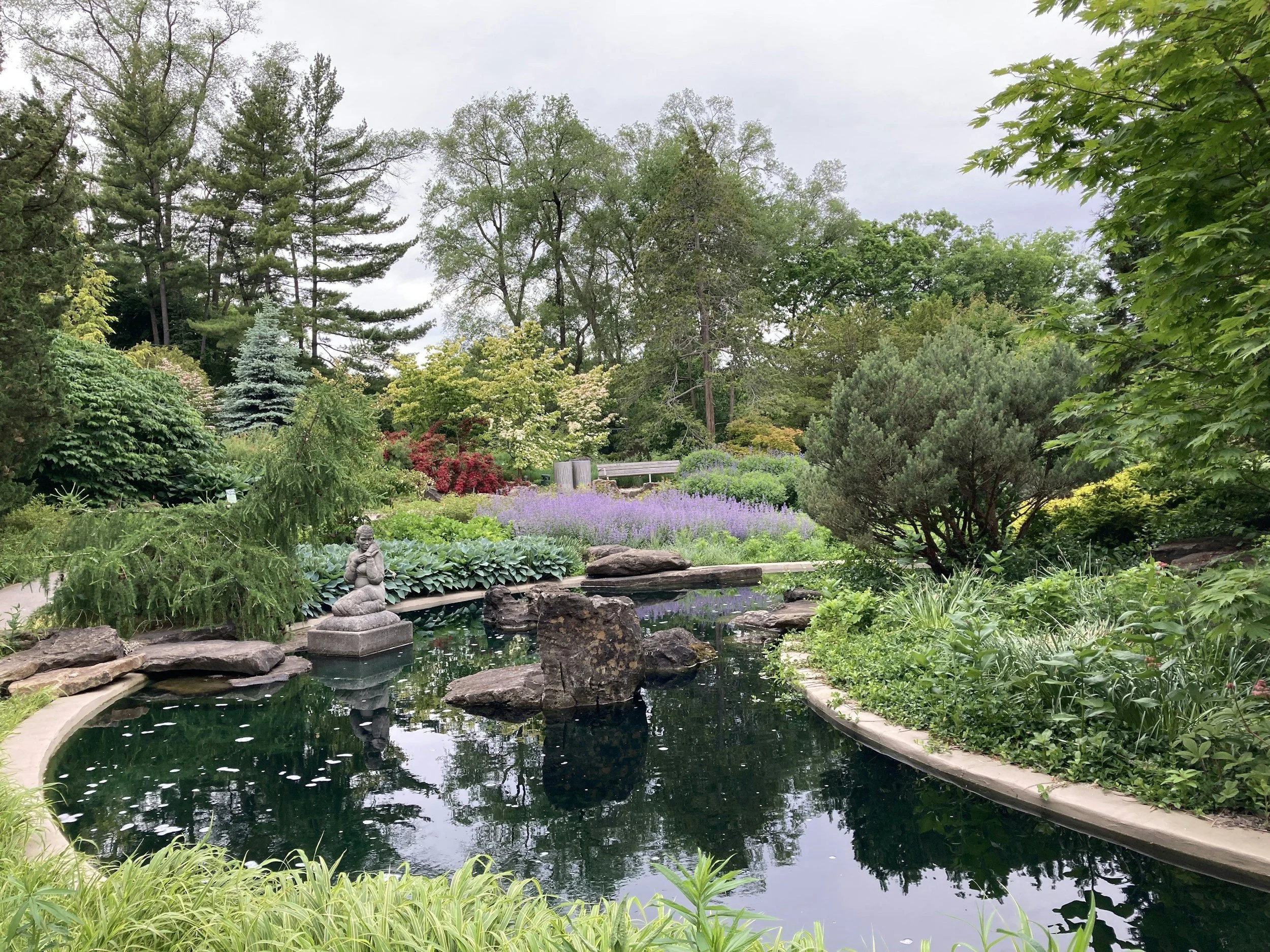
It spoke to me of creative waters flowing from the canal, making beauty in the garden, then spreading evangelically into the world.
How has creativity expressed itself in your life so far?
Looking back, something I'd never really done until you asked, my creative background turns out to be quite wide. It started with a blues band in Wellington in the late 60s. I left that behind for a working life in the UK, eventually starting a business with a colleague, which took just as much creativity as anything I'd done with music. I'm keen to emphasise that creativity isn't confined to the arts; it runs through life, whether in an office or a farm paddock.
What brought you back to music?
My wife Kathy gave me a basic guitar one Christmas, and off I went again. I was led to Ngāti Rānana, the London Māori Club, and had a highly creative period with the kapa haka rōpū, performing across the UK and Europe.
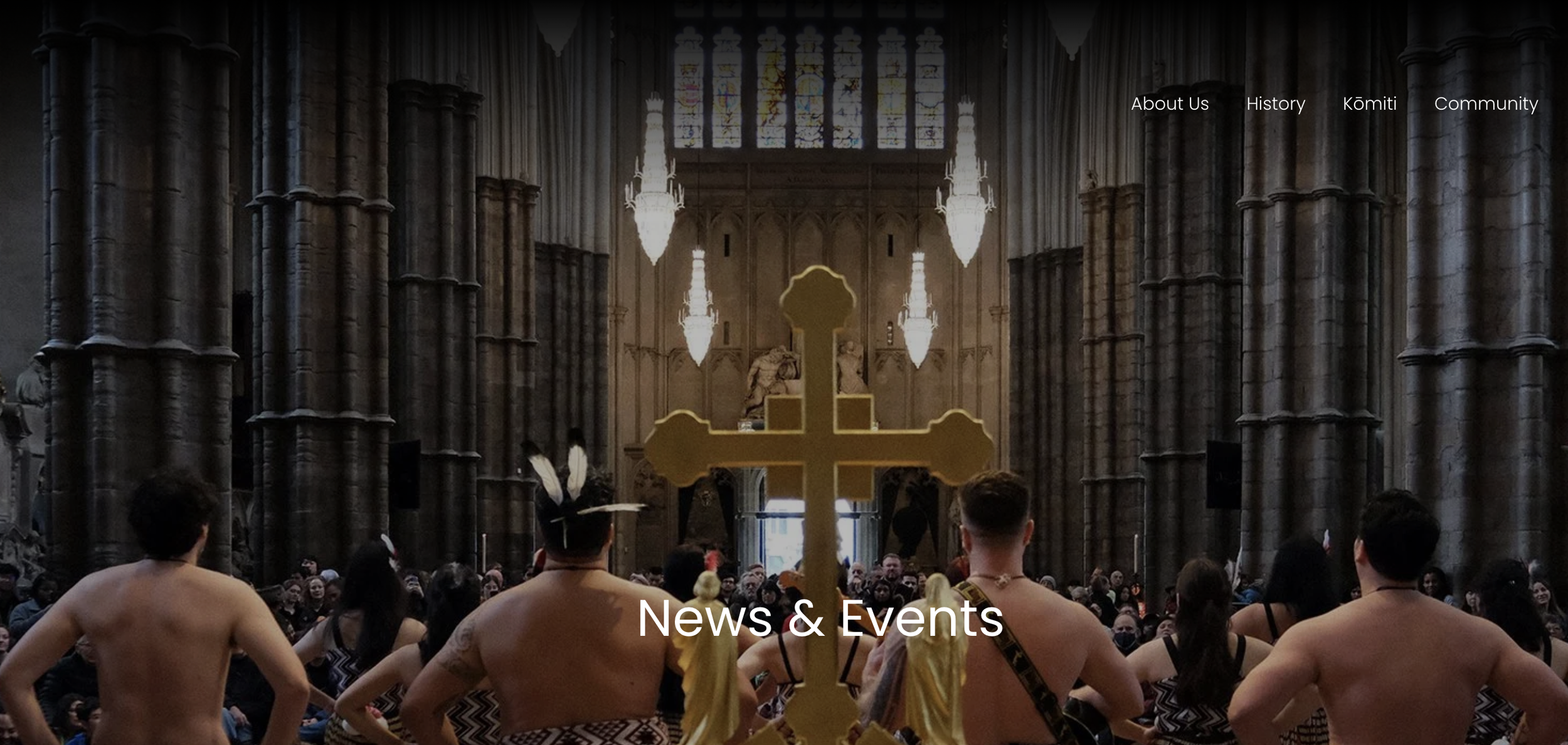
Image credit: Ngāti Rānana website www.ngatiranana.co.uk
Though Pākehā, I was humbled by the manaakitanga, atawhai and aroha with which the community accepted me. I worship within Anglican Māori tikanga and love waiata and hīmene. Back in Aotearoa, I played guitar in church.
It was finding Fr. Cyprian's music that linked contemplation and music for me.
He seemed to be coming from a deeper place which would have been enhanced by the interreligious aspects. In my oblate journey, I am blessed to have connected with Cyprian as a mentor and friend. Music has been common ground for us. He has considerable training and experience of his musical craft. It has been humbling and a privilege to share musical thoughts and influences over the years with him, and music has become a path to deepen my spirituality. Eventually, this led me to attempt writing songs myself.
In past years I've performed concerts combining words, visuals and music — pairing a song with a contemplative, mystical talk. One example: Eric Clapton's “Holy Mother.” I tell the story of how he wrote it during a critical period in his addiction, after a vision of the divine feminine, and align that with the sculpture Mary Seat of Wisdom at Tulana, a retreat centre in Sri Lanka.
Have you used music with meditation groups?
When I coordinated the Christian Meditation group at Kaikohe, I'd bring my guitar to open and close with a contemplative song. On reflection, it became limiting; it made my presence feel ‘necessary’, which wasn't helpful. The most important thing at a gathering is simply to meditate. Now I contribute music only occasionally, at specific gatherings.
Would you like to mention any pieces of music (yours or otherwise) that have particular meaning or inspiration for you?
In a recent interview Fr. Cyprian quoted liturgical composer Lucien Deiss:
“The sound of the music you make must be better than the quality of the silence you break.” With that in mind:
In anticipation of the NZCCM National Retreat with Fr Cyprian in January 2027 – I suggest you dip into his online live concert Arise my Love.
The following are songs I have written that have been fuelled from that place within and sometimes used in meditation gatherings.
The Divine Dance of Incarnate Love was inspired by Richard Rohr and a late friend Janet in Whangarei. The first verse sets Psalm 146 — praise, music and dance in this mortal life. The second draws on Janet’s reflections on birth into eternal life. The title, suggested by Janet, is a phrase from Fr. Richard Rohr OFM book The Divine Dance.
Returning and Rest - inspired by Br Rom Gibson, a Marist and member of our Kaikohe meditation group. Particularly suited to before meditation.
Compassion and Wise - Written by Buddhist monk Rev. Heng Sure, this song became part of Cyprian's repertoire. You can download a free MP3 of the song and learn more about it’s history here.
I loved teaching it at a primary school — the first time I played it, one child walked over and lay at my feet, a natural response. I taught the children a simple version including a Māori chant, and we later flash-mobbed it at Chris Booth's sculpture Te Whiringa o Manoko (The Interweaving of Cultures) in Kerikeri.
I know you are looking forward to the NZCMM National Retreat in January with Fr Cyprian. What are your hopes for retreat participants?
Two words immediately come into my mind - joy and enlightenment! Joy obviously from the music, but also joy from the teaching, from spiritual fulfilment and a sense of the need of meditation for the healing of the world. ‘Enlightenment’ is often associated with Buddhism however this word is very much part of our Christian heritage. I wouldn’t be surpised if Fr. Cyrian explores that idea at our retreat - especially if he reads this blog!
