
St John of the Cross - Guide, Mentor, Friend - Q&A with Fr Frank Bird
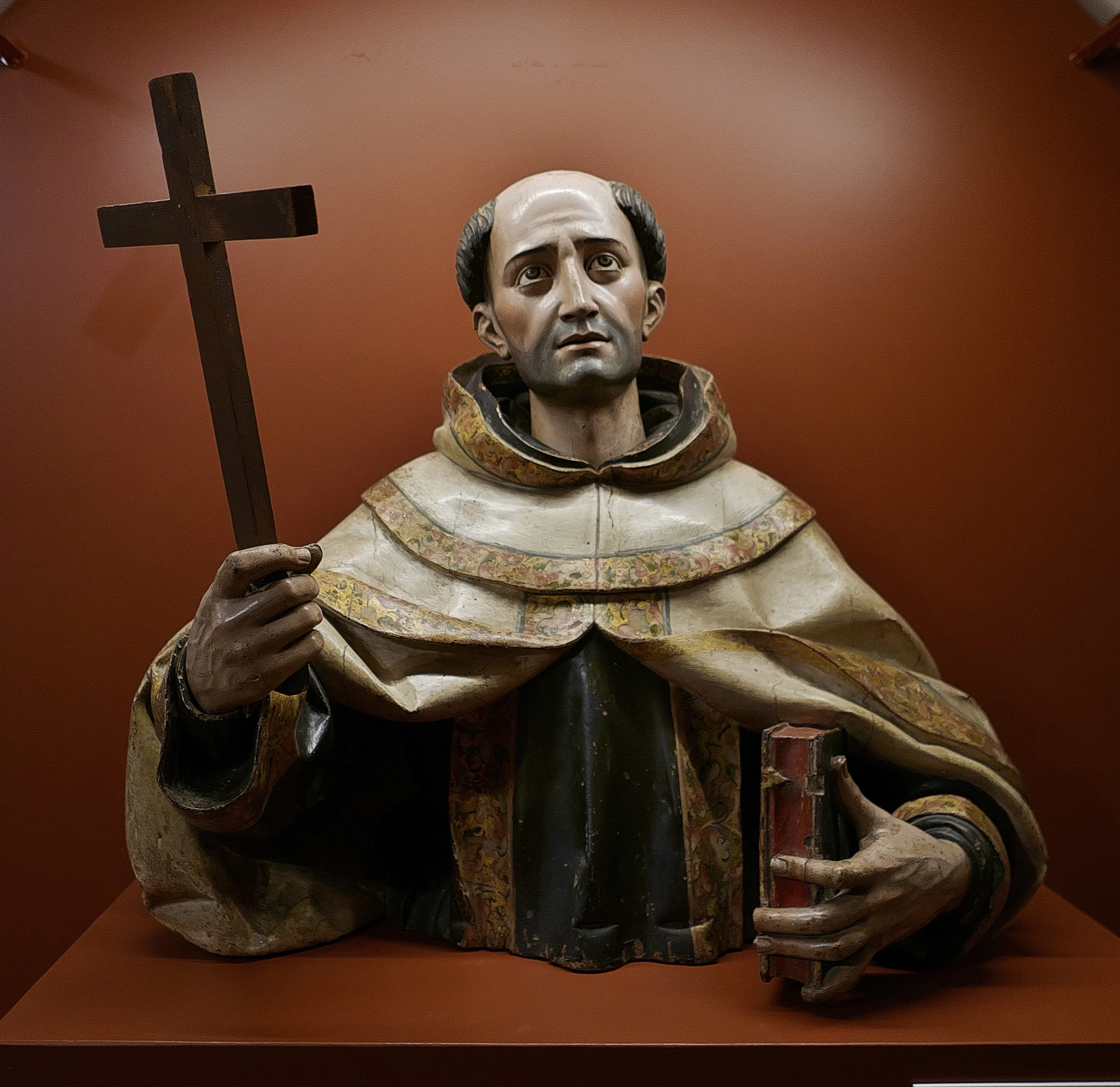
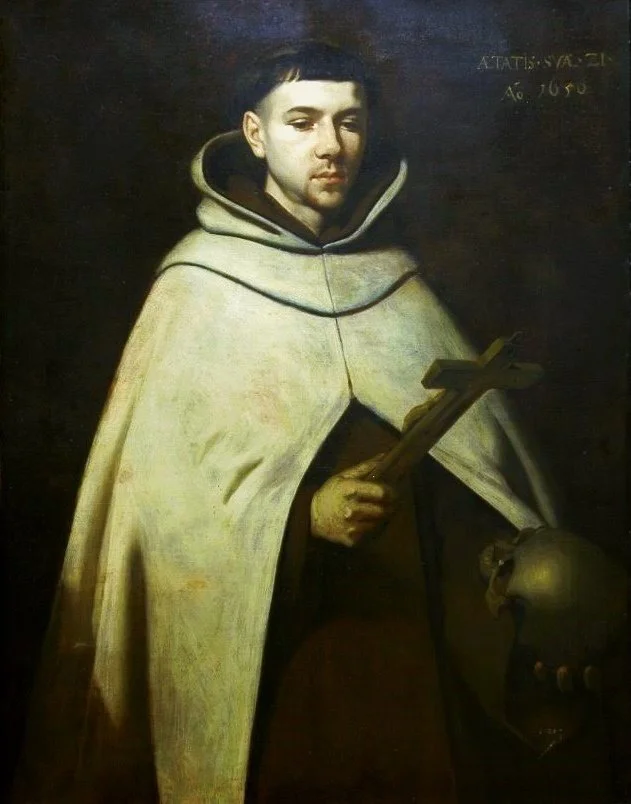
San Juan de la Cruz by Antonio de Paz, via Wikimedia Commons, licensed under CC BY-SA 4.0.
A conversation with Fr Frank Bird
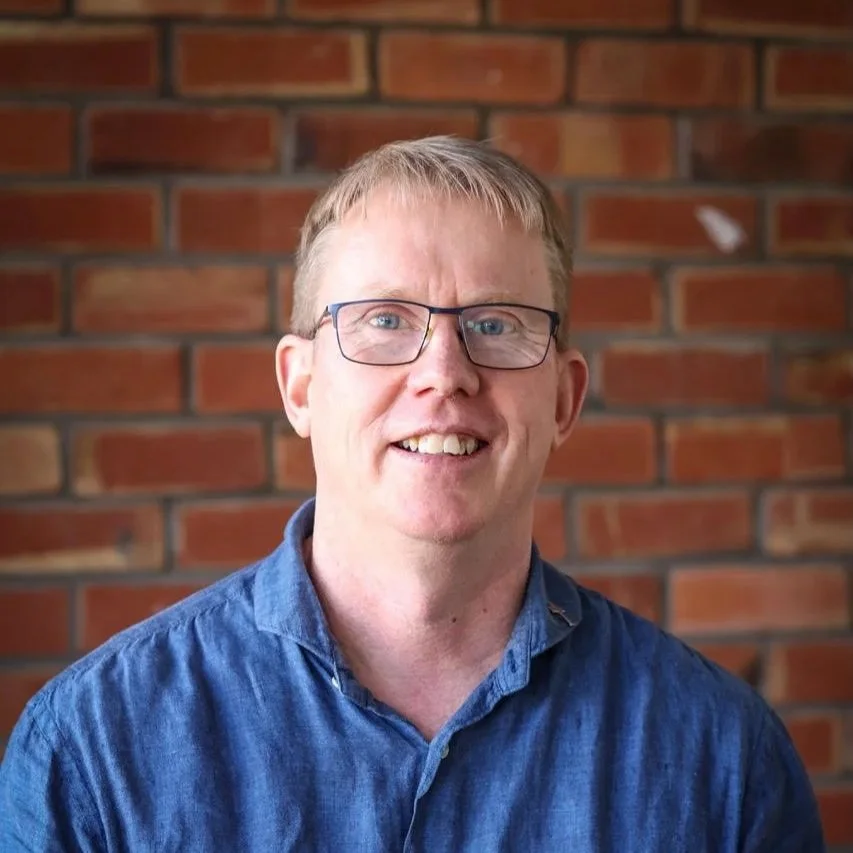
Ahead of the upcoming Beyond the Noise weekend retreat in Auckland, Vincent Maire speaks with retreat leader Fr Frank Bird about the life and wisdom of Christian mystic St John of the Cross. Drawing on his own journey with John’s writings — and his recent studies in Rome — Frank reflects on prayer, silence, transformation, and the deepening path of union with God. Their conversation offers a glimpse into what retreatants might expect as they encounter one of Christianity’s great mystical teachers.
Fr. Frank, what first attracted you to John of the Cross?
I first encountered John of the Cross while doing some Marist study in France in 2019. While I was attracted to his writings, I also felt he was perhaps a bit severe and ‘tough’. Yet I remained drawn to what is essentially a mystic writing about direct experience and encounter with God.
I had always wanted to know and follow writings about the early desert Fathers and Mothers of the Church. I was influenced by the Desert tradition and the early monastic movement, and their complete search for God. I knew I was moving into a different season of life — an attraction to the interior life of reflection — yet I wanted more than study and prayer with scripture.
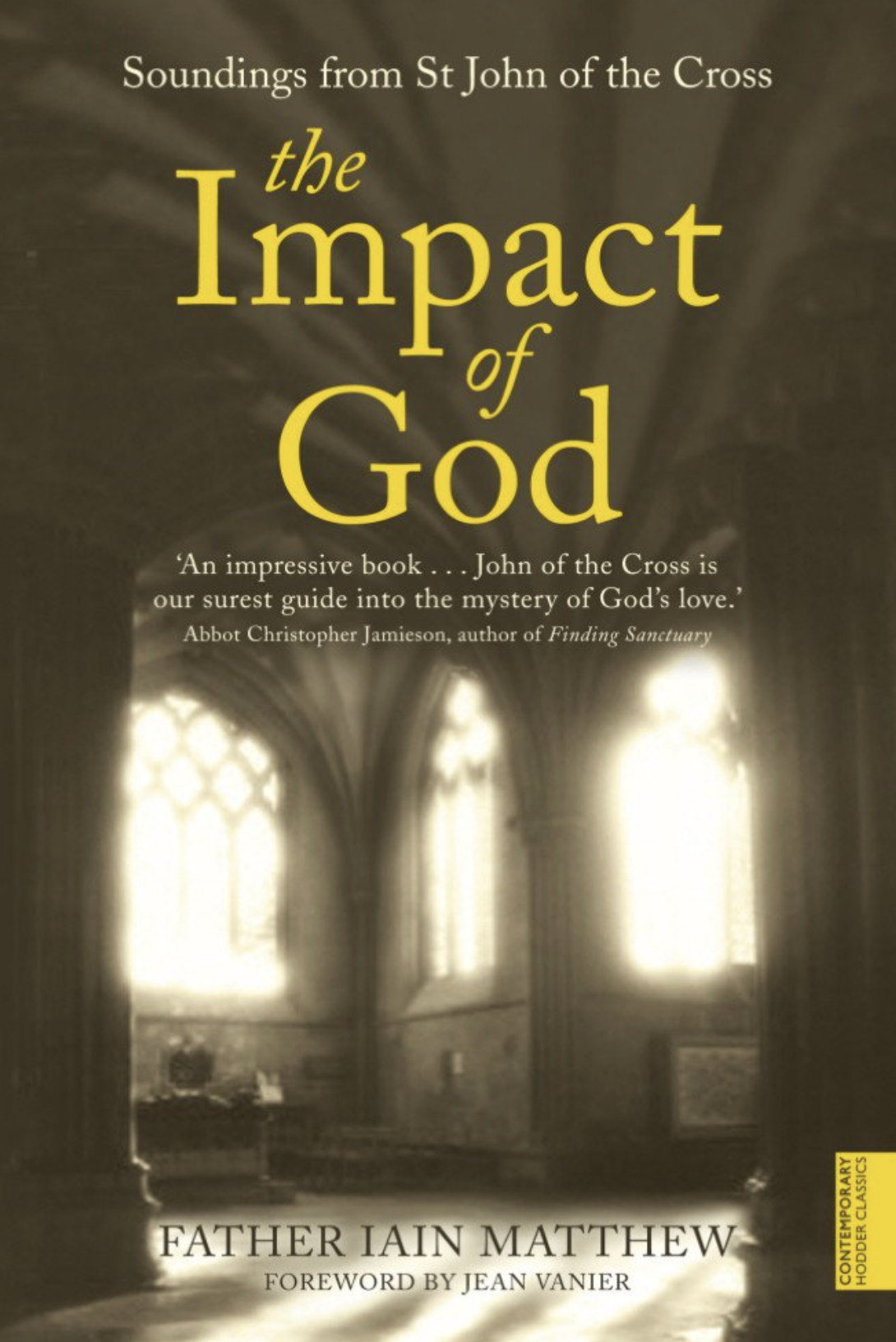
A fellow Marist priest introduced me to a book called The Impact of God by Fr Iain Matthew. I suppose this book finally put a bit of sugar and perspective on John that made him more attractive to me. The book made such an impact that I later used it as the main text for a few retreats. I wrote notes and pondered the patterns of the spiritual life that he talked about.
I realised John was writing about a journey within and toward God. It was much more than prayer. God wanted my whole life absorbed with his love.
I was aware of the ascetical tradition, but John was guiding me into a deeper transformative tradition — and it was more about God doing this in me. As Iain Matthew writes, it becomes not so much about climbing the mountain, but rather clearing a pathway for a helicopter to land: making space for God.
What was it like studying John of the Cross in Rome? What were some key learnings for you?
In 2024 I had a special opportunity to spend six months in Rome studying spirituality. I had discovered that Fr Iain Matthew, a Carmelite priest, was living and teaching at the Teresianum University in Rome. I enrolled in some courses on John of the Cross and Teresa of Avila. However, my main goal was to ask if I could do ‘guided reading’ for a few hours each week with Fr Iain Matthew, the author of The Impact of God.
It was a special opportunity to sit, talk, and argue about John with a scholar of St John of the Cross. Fr Iain Matthew was a humble, gentle priest who had obviously walked the journey, knew the questions, recognised my fears — and most of all my hunger and desire for a deeper spiritual life and union with God. My study and guided reading became like a six-month retreat.
I was challenged by a fellow Marist friend not just to study John, but to bring back something to teach and share with others. This proved to be significant advice. I wanted to make John real and applicable to my life, and hopefully to others also.
Alongside John’s poems and writings, particularly The Ascent and The Dark Night, I also chose some well-regarded companion authors. I wanted wisdom from both spiritual direction and counselling perspectives. I chose Susan Muto from the spiritual direction perspective, and Marc Foley from a counselling perspective.
Archdiocesan Museum in Katowice, Public domain, via Wikimedia Commons
I became aware of just how broad-reaching and deep John’s writings and poems were. John of the Cross really does gather together the early desert and monastic tradition, as well as the philosophical, theological, and scriptural traditions.
In addition, he is a mystic and poet, a refounder of the Carmelites, an administrator, and a skilled spiritual director. John of the Cross is quite a unique individual.
Some days were simply spent pondering lines of poetry. Other days were spent grappling with his exploration of the seven deadly sins — what he describes as ‘looking into a mirror’. I felt like some heavily loaded default settings in my mind and heart were being challenged and loosened. I was entering into the world of what silence, suffering, and being taken over by God actually involves.
What impact has John of the Cross had on the way you pray?
I feel like I know John as a close friend, a spiritual director, a mentor, an intimate guide in both prayer and daily life. His writings and poems have helped me become much more comfortable with silence — the prayer of silence, the resting in love that a more contemplative style of prayer draws one into.
John also helps link prayer with a joyful asceticism. A dryness in prayer can be mirrored in a new experience of daily life. One has to be weaned off sugar and ice-cream to notice the joy and beauty of a nice piece of fruit. Prayer and life become interconnected and flow into each other.
My journey with John has helped me in the practice of sitting silently each day for an hour of prayer, mostly in silence.
What can John of the Cross bring to Christian meditators to help deepen their relationship with Christ?
John is a Doctor of the Church, particularly in the area of mystical spirituality. We can safely say he knows the spiritual journey, both in prayer and in the ascetical life of spiritual practices.
I think a particular contribution of John is his exploration of what happens when one feels more attracted to stillness and silence; when the active prayer tradition transitions into a quieter, more contemplative tradition.
John guides us not only in prayer, but also in an inner journey of transformation — of letting go, of becoming less attached to creation and more attached to the Creator.
We need to be careful not to misunderstand John. He loves created goods and creation, but encourages us to move through pleasure to praise, and not become locked onto the pleasure of experiences as if that itself were God. This has consequences in terms of John leading us into a personal and deep inner freedom — a transition from always seeking consolation and feelings of God.
Helpfully, John gives wonderful images for the prayer and interior journey which shine some light on the mysterious path of growing in union with God: walking up a mountain path, a mother weaning her child from breastfeeding to eating real food, a log of wood needing to be dried out before the fire can truly take hold.
John seems to shine a torchlight on the parallels between letting go in prayer and being with God, and letting go of attachments and seeking only God. This transition from meditation to contemplation can also be experienced at ever deeper interior levels of freedom from created goods.
Ultimately, we are being drawn into freedom so that we may love freely — like God.
